September 29, 2026
Energy costs can take up a noticeable share of a household budget, especially when heating and cooling equipment must work harder than necessary to maintain comfortable indoor conditions. While utility rates and outdoor temperatures are outside a homeowner’s control, the efficiency and condition of an HVAC system can often be improved. Professional attention can help uncover performance problems that quietly increase energy consumption over time.
Working with an HVAC contractor gives homeowners access to trained professionals who can evaluate the entire heating and cooling system rather than focusing only on obvious symptoms. From equipment performance and airflow to maintenance needs and system controls, several factors can influence energy use. Addressing these areas can support better comfort while helping households manage utility expenses more effectively.
Improving Overall System Efficiency
Heating and cooling systems rely on many components working together. When one part of the system is struggling, other components may have to operate longer or harder to compensate. A unit that appears to be functioning normally may still consume unnecessary energy because of restricted airflow, worn components, incorrect settings, or other performance issues that are not immediately visible.
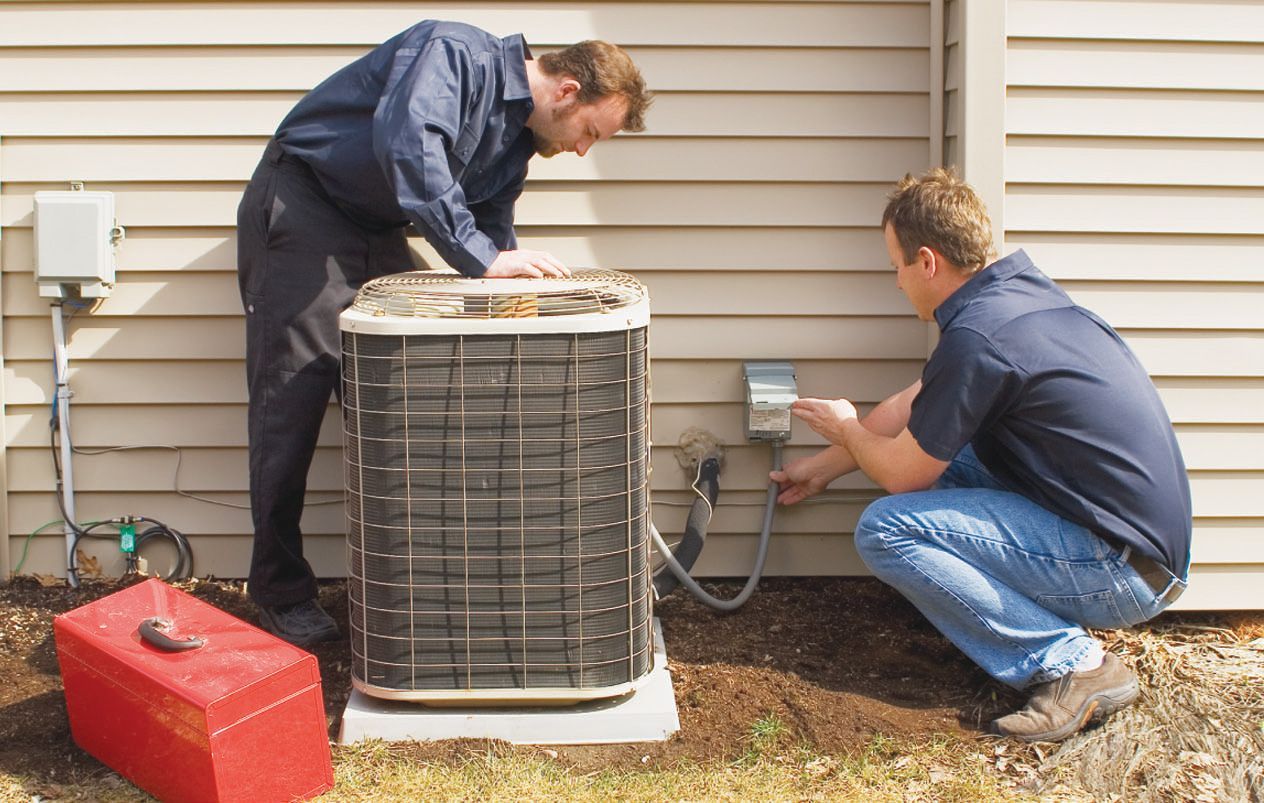
An HVAC contractor can evaluate system operation and identify conditions that may be affecting efficiency. Professional inspections can reveal developing problems before they significantly interfere with heating or cooling performance. Correcting those concerns can help the equipment operate more consistently and reduce unnecessary strain.
Efficiency is particularly important because heating and cooling represent a substantial part of overall energy demand. According to WifiTalents, HVAC buildings account for 40% of U.S. energy consumption. That level of consumption highlights why even seemingly minor inefficiencies within heating and cooling systems deserve attention.
Maintaining Consistent System Performance
Routine maintenance plays an important role in keeping heating and cooling equipment operating efficiently. Over time, normal use can lead to accumulated debris, worn parts, airflow restrictions, and other conditions that place additional stress on the system. Without professional attention, these issues may gradually reduce performance without causing an immediate breakdown.
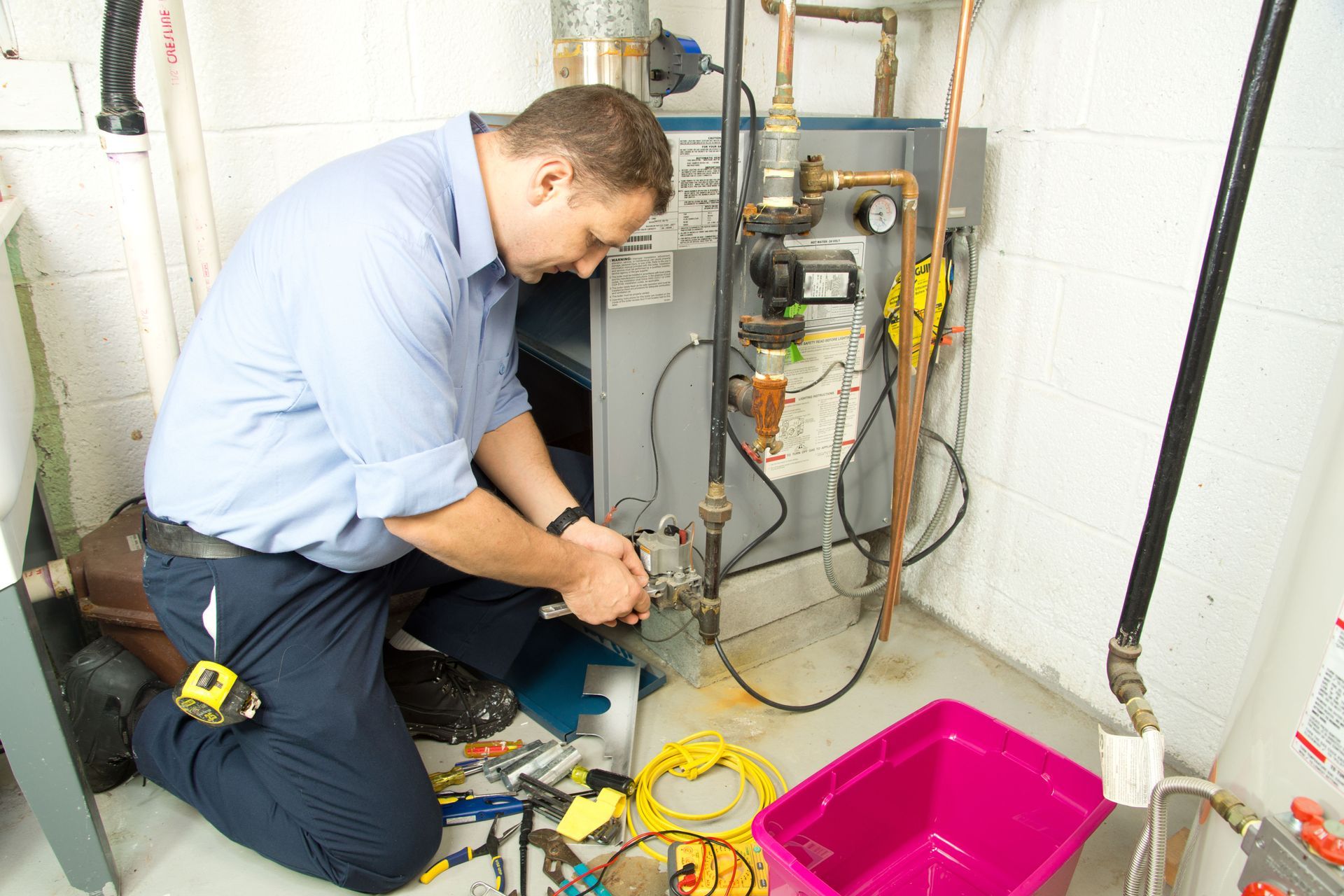
An HVAC contractor can inspect equipment for signs of wear and address maintenance concerns that interfere with efficient operation. Professional service also provides an opportunity to identify small issues before they develop into more disruptive problems. A system that receives appropriate maintenance is better positioned to deliver consistent heating and cooling without unnecessary operating strain.
Consistency can also affect household energy consumption. Equipment that repeatedly struggles to reach the desired indoor temperature may run for extended periods. Homeowners might notice rooms that feel warmer or cooler than expected, frequent cycling, unusual sounds, or changes in monthly utility costs. These symptoms can indicate that professional evaluation is appropriate.
Identifying Hidden System Problems
Some HVAC problems are easy to recognize, such as a complete loss of heating or cooling. Others are much less obvious. A system may continue running while experiencing airflow problems, control issues, deteriorating components, or other inefficiencies that increase energy consumption.
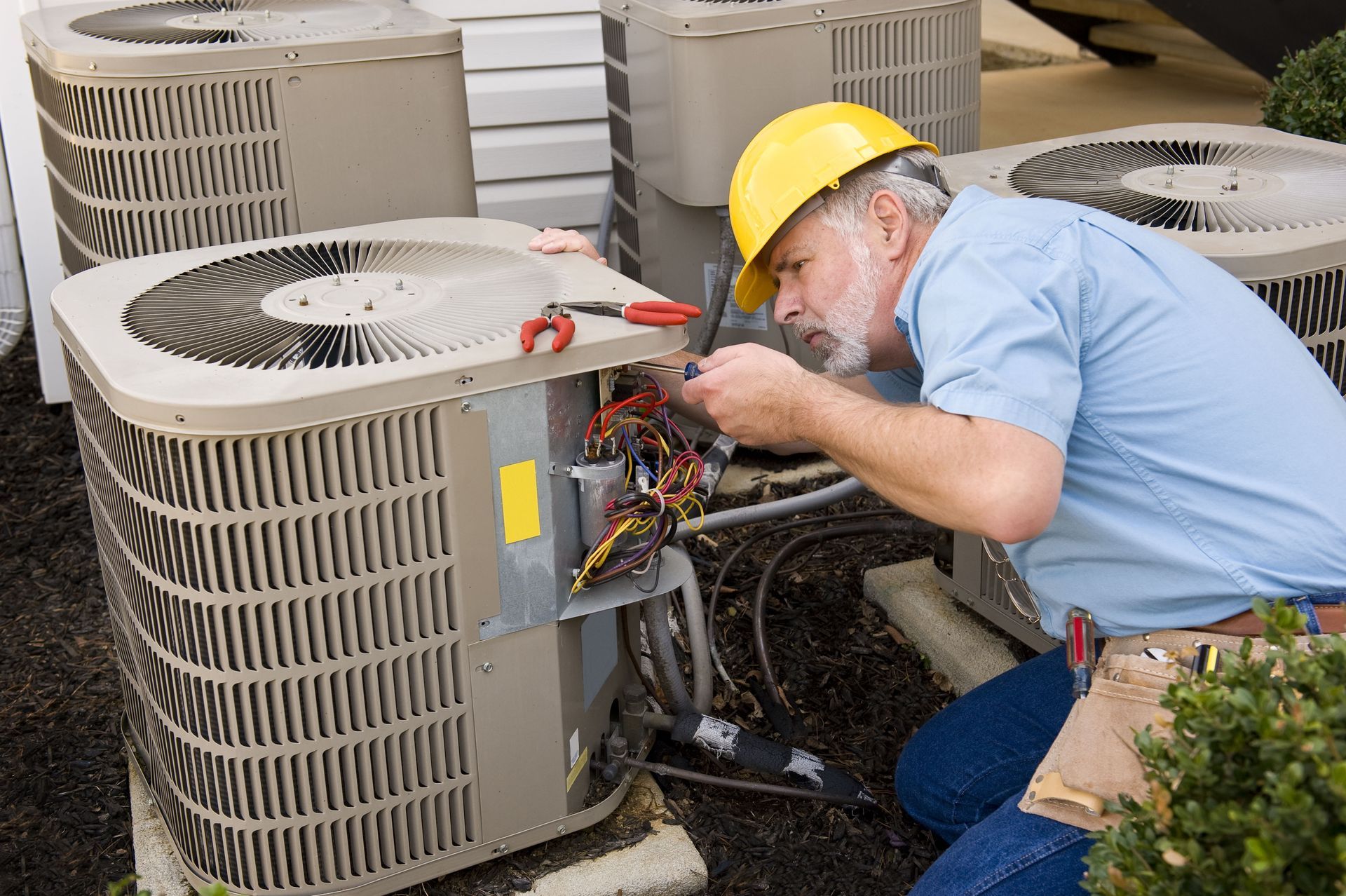
An experienced HVAC contractor can assess these less visible concerns using professional knowledge and diagnostic practices. Evaluating the complete system makes it possible to distinguish between normal operation and performance that may be unnecessarily increasing utility costs.
Hidden problems can also affect comfort unevenly throughout a home. Certain rooms may feel difficult to heat or cool, causing homeowners to adjust thermostat settings in an attempt to compensate. The HVAC equipment may then operate longer even though the underlying problem remains unresolved. Professional diagnosis can help determine why these comfort differences are occurring.
Supporting Balanced System Airflow
Airflow is essential to efficient heating and cooling. Conditioned air must move effectively through the system and reach different areas of the home. When airflow becomes restricted or unbalanced, equipment may need to operate longer to create comfortable indoor conditions.
An HVAC contractor can evaluate airflow as part of a broader system assessment. Problems involving filters, ductwork, vents, equipment, or system configuration can influence how effectively conditioned air moves throughout the property. Addressing appropriate airflow concerns can help the system distribute heating and cooling more consistently.
Balanced airflow can also improve comfort without relying on frequent thermostat adjustments. When conditioned air reaches rooms effectively, homeowners are less likely to compensate for uncomfortable areas by demanding more from the HVAC equipment.
Optimizing System Controls
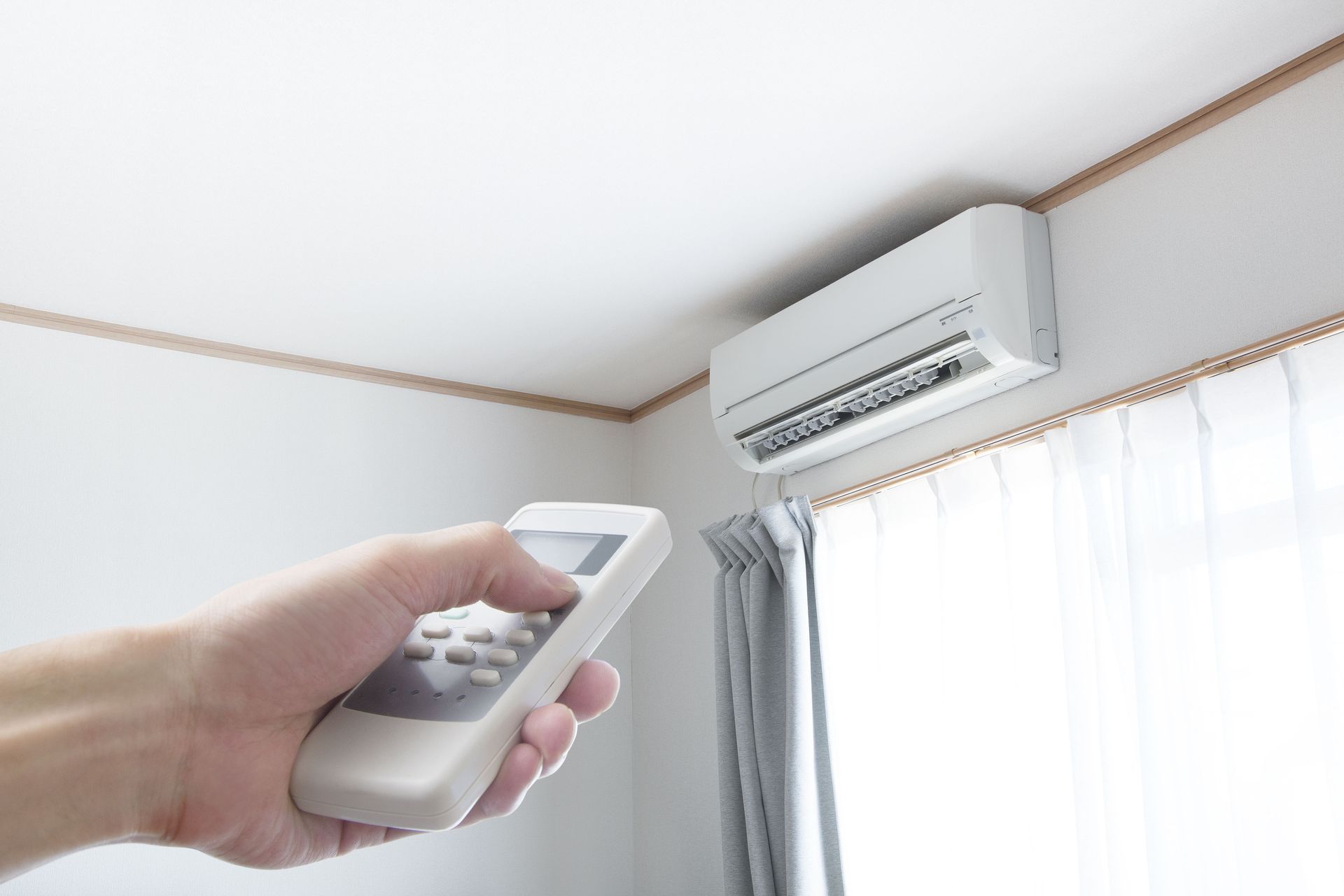
Heating and cooling equipment does not operate independently of its controls. Thermostat performance, system settings, and communication between components can influence how frequently equipment runs and how effectively it responds to changing indoor conditions.
An HVAC contractor can determine whether system controls are functioning properly and whether they complement the equipment installed in the home. Incorrect operation can cause unnecessary cycling, extended runtime, inconsistent temperatures, or other patterns that contribute to wasted energy.
Professional guidance can also help homeowners better understand available system features. Modern heating and cooling equipment may include controls designed to support scheduling, temperature management, or more consistent operation. Using compatible features appropriately can help households balance comfort with energy-conscious operation.
The goal is not simply to minimize equipment use. A properly controlled system should respond efficiently to the home’s actual comfort needs while avoiding unnecessary operation whenever possible.
Evaluating Aging System Equipment
Heating and cooling equipment changes as it ages. Components experience normal wear, efficiency may decline, and repairs can become more frequent. Homeowners may eventually notice that maintaining comfortable temperatures requires more system operation than it once did.
An HVAC contractor can evaluate the condition of aging equipment and explain whether maintenance, repair, or replacement deserves consideration. This professional perspective can be especially useful when homeowners are deciding whether continued repairs remain practical.
Replacement is not automatically necessary simply because equipment is older. The system’s condition, performance, maintenance history, comfort results, and energy use all provide useful context. A professional assessment allows homeowners to make decisions based on the actual state of their equipment.
When replacement does become appropriate, selecting equipment that matches the property’s heating and cooling requirements is important. Proper system selection can support efficient performance and prevent problems associated with equipment that is poorly matched to the home.
Planning Long-Term System Improvements
Lowering utility costs is often an ongoing process rather than the result of a single service appointment. Heating and cooling performance can change as equipment ages, household needs evolve, and components experience normal wear. Periodic professional attention helps homeowners keep track of those changes.
Building an ongoing relationship with an HVAC contractor can provide valuable continuity. A professional who understands the system’s condition and service history can offer informed recommendations as maintenance needs or performance concerns develop.
This approach can also make budgeting easier. Instead of reacting only when equipment stops working, homeowners can learn about developing concerns and prepare for future service needs. Planned maintenance and informed equipment decisions can reduce uncertainty while supporting long-term system performance.
Professional guidance ultimately connects comfort, reliability, and energy management. When heating and cooling equipment operates efficiently, homeowners can focus on maintaining comfortable indoor conditions without accepting unnecessary energy waste as a normal part of system operation.
Protecting Long-Term Energy Savings
Utility bills are influenced by many factors, but HVAC performance is one area where professional service can make a meaningful difference. Efficient equipment operation, consistent maintenance, balanced airflow, functional controls, and informed equipment decisions all contribute to responsible energy use.
An HVAC contractor provides the expertise needed to examine these factors as parts of one connected system. Instead of waiting for a major malfunction, homeowners can use professional assessments to identify inefficiencies, address developing concerns, and maintain reliable performance.
Lower energy consumption does not have to come at the expense of indoor comfort. With appropriate professional care, a heating and cooling system can deliver dependable performance while avoiding unnecessary strain and energy use. That combination can support more manageable utility expenses and a more comfortable home over the long term.
Choosing Professional HVAC Support
If rising utility bills or inconsistent indoor comfort have you questioning your heating and cooling system’s performance, professional evaluation can provide useful answers. At Christian and Son LLC Heating and Cooling, we can assess your system, identify performance concerns, and help you understand appropriate options for maintaining efficient operation. Contact us to schedule professional HVAC service and take a proactive approach to comfort, reliability, and energy management.